Clean water
A burst supply pipe, a water heater tank or a radiator supply. Often dried in place when the work starts early.
24/7 water damage restoration in Woodside, NY. The restoration team extracts standing water, dries the structure to the IICRC S500 standard and documents every step for your insurance claim.
(888) 527-9860Start the Woodside dry-out now
Built around attached houses. Basement units, steam heat and shared ceilings change how water moves, and how it gets dried.
The three Woodside water losses that come up most, each its own kind of job.
Below-grade units take water from the floor drain, the areaway door and the walls at once, so the extraction crew treats it as Category 3.
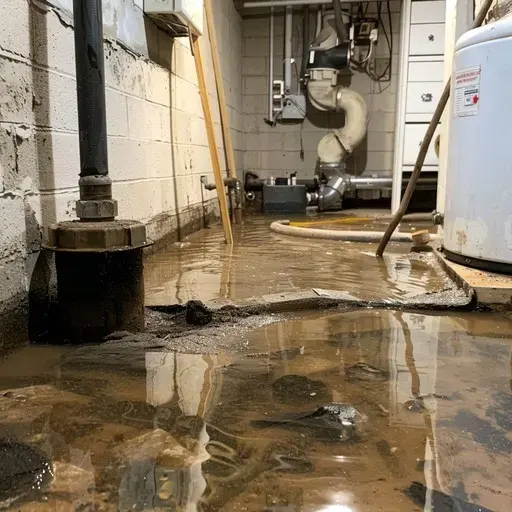
Basement apartment floodingWhen the combined sewer surcharges in a cloudburst, it comes up the lowest drain. Containment and an EPA-registered antimicrobial come first.
Sewage backup cleanupSteam and hot-water heat leak slowly at valves and vents. Drying mats and daily readings save hardwood that looks ruined.
Radiator and boiler leaksWater and sewage only, from the first pump-out to the last moisture reading.
 Water ExtractionStanding water pulled out fast, the first move on any loss from cellar to top floor.Details
  Basement Apartment FloodingBelow-grade units flooded by storms or backflow, extracted, cleaned and dried.Details
  Sewage Backup CleanupCategory 3 backflow through floor drains and toilets, contained and removed.Details
  Storm & Flash Flood CleanupCloudburst water through areaways, garages and doors, pumped out and dried.Details
  Burst Pipe CleanupSplit supply lines in walls and ceilings, traced, extracted and dried inside.Details
  Frozen Pipe CleanupWinter breaks in exterior walls and vestibules, dried before the thaw spreads.Details
  Radiator & Boiler LeaksSteam and hot-water heat leaks under radiators and around boilers, dried out.Details
  Ceiling Leak Water DamageWater through plaster from the unit or bathroom above, found and dried.Details
  Roof Leak Water DamageFlat-roof and parapet leaks into top-floor rooms, dried behind the ceiling.Details
  Water Heater FailureTank and relief-valve failures flooding a cellar, extracted and dried.Details
  Washer & Appliance LeaksWasher hoses, dishwashers and ice makers that let go, cleaned up and dried.Details
  Apartment & Co-op Unit LeaksUnit-to-unit leaks in walk-ups and co-ops, dried and documented for each side.Details
  Structural DryingPlaster, framing, subfloor and hardwood dried to verified readings.Details
  Commercial Water DamageStorefronts, restaurants and offices along Roosevelt Avenue back open.Details Not sure which one it is?Describe what you see and where the water came from. The restoration team sorts out the category and the scope. (888) 527-9860Price it before you callThe water damage cost calculator gives a planning range by area, water type, spread and materials.Open the calculator
 Usually in the cellar on the street-facing wall; in apartment buildings, get the super.
Only if the breaker panel is in a dry spot. If the panel is wet, leave it alone.
Water near outlets can carry current; floor-drain water is sewage.
The waterline, the source and every wet room.
Rugs, boxes and electronics off the floor, then call while the water is still on the surface.
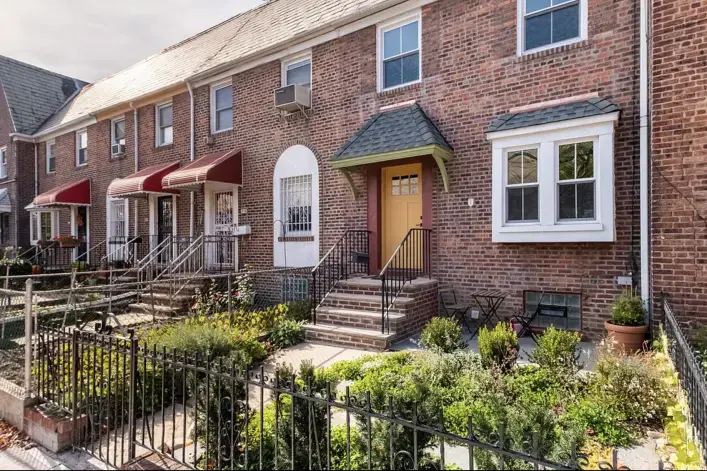
Water behaves differently in Woodside buildings: it runs along party walls, drops through plaster ceilings into the unit below and comes up cellar drains when the sewer is full.
The restoration team works all of 11377 around the clock, from two-family houses in Winfield to co-ops along Queens Boulevard and storefronts under the elevated 7, and dries every job to the IICRC S500 standard.
How the work is doneThe response team covers all of 11377 day and night, so extraction starts before water soaks into plaster.
Structural drying, not just surface drying: moisture mapping first, then equipment sized to each room.
Timestamped photos before demolition, the moisture map and daily psychrometric logs for the adjuster.
Basement units, sewer backflow, steam heat and shared ceilings are everyday Woodside work, not exceptions.
What separates a finished dry-out from a cosmetic one is the order of the work.
The tech who does the walkthrough maps every wet material before any equipment goes down.
Truck-mounted extraction pulls standing water out of the building, not into the next room.
Air movers match each room's evaporation load; LGR units and desiccants pull the moisture out.
Equipment stays until wet materials read within 2 to 4 points of a dry reference.
A contained Class 1 loss usually dries in three to five days. Hardwood, plaster and brick take longer, and the equipment leaves on readings, not on a schedule.
Category 1, 2 and 3 water are handled differently, and the source decides which one is in the house.
A burst supply pipe, a water heater tank or a radiator supply. Often dried in place when the work starts early.
Washer discharge, boiler water or a toilet overflow with no waste. Soaked materials are cleaned or pulled first.
Sewer backups through floor drains, street floodwater and drain stack leaks. Porous materials get removed, not dried.
See sewage backup cleanupIn Woodside, NY, water damage restoration typically runs $1,000 to $15,000 or more. A contained clean-water leak sits at the low end; a flooded basement unit or a sewage backup sits at the high end. The drivers are the water category, the square footage, the material class and how fast drying started.
For a planning number on your own loss, use the water damage cost calculator. The walkthrough and the moisture map set the actual scope.
A water claim is decided on the file. The restoration team builds it as the work happens.
Where the water went, measured from day one, not guessed.
Temperature, humidity and material readings every day until the drying goal is met.
Taken before any demolition, waterline and source visible.
The category and class of loss plus a line-item scope in the format adjusters expect.
Sudden and accidental discharge, such as a burst supply pipe, is treated differently from rising surface water, which falls under flood coverage, and drain backups often need a sewer backup endorsement. Coverage depends on your policy, so it is worth checking with your own insurer.
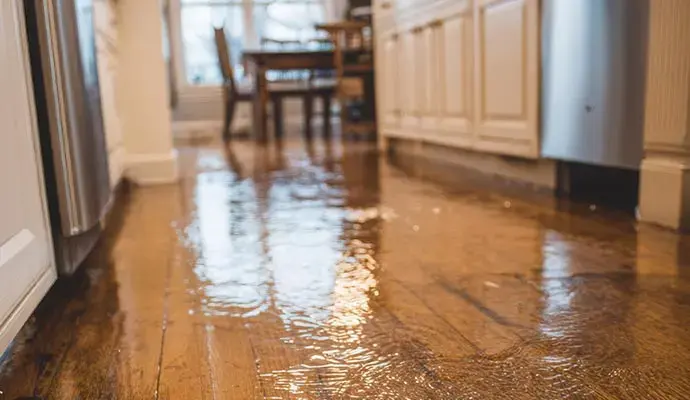
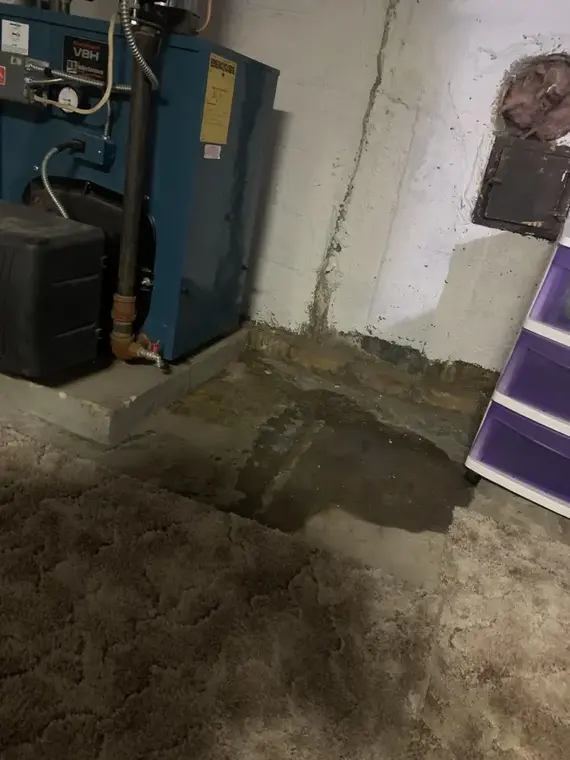
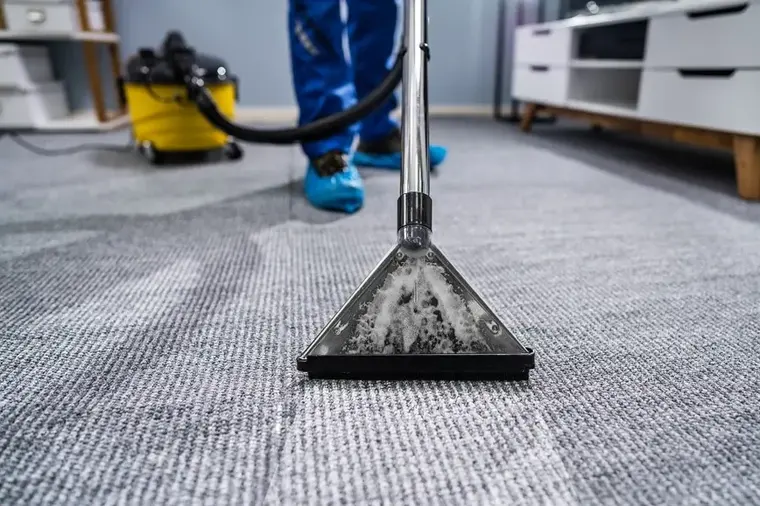
ZIP 11377 is Woodside, Queens, from Winfield to Boulevard Gardens, home to about 81,690 people.
Have three things ready: which floor is wet, where the water came from, and whether a basement unit is involved. That decides the equipment on the truck.
Woodside's water problems come from its buildings and its sewers more than from any river.
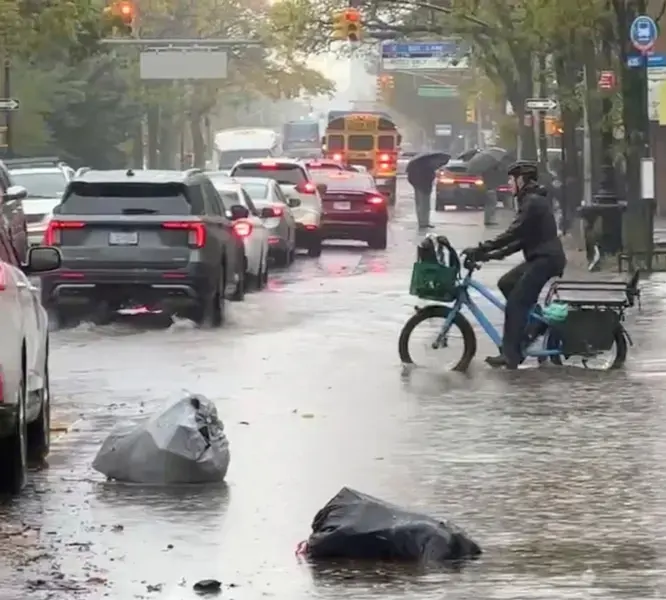
The restoration team works around the clock across 11377, and emergency water calls are treated as urgent at any hour. Water spreads fast, so the first call matters more than the first repair.
Woodside drains to a combined sewer. In a cloudburst it fills and pushes water back up cellar floor drains, while street water runs down areaway stairs and garage ramps.
Yes. Water from a floor drain, toilet or the street is Category 3. Keep people and pets out and leave it to crews working with containment and protective gear.
Sudden and accidental discharge, like a burst supply pipe, is commonly covered after the deductible. Drain backups often need a sewer backup endorsement, and rising surface water falls under flood coverage. Coverage depends on your policy, so it is worth checking with your own insurer.
A contained Class 1 loss usually dries in three to five days. Plaster, hardwood and brick take longer. The equipment comes out when readings sit within 2 to 4 points of a dry reference, not on a set date.
Shut the main, cut power to wet circuits if the panel is dry, stay out of water near outlets, photograph everything, lift rugs and call.
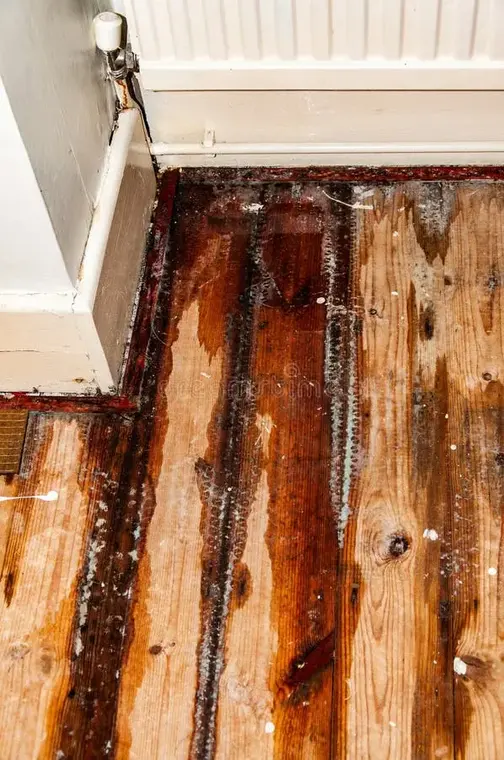
It can, but cupped boards are often saved. Drying mats and dehumidifiers pull the water out, and boards that flatten can usually be refinished.
When it was touched by Category 3 water, when it is sagging, or when readings show it cannot be dried in place. Clean-water losses caught early are often dried without removal.
Standing water spreads into plaster, subfloor and the unit below. Getting the extraction going tonight keeps the job smaller.